

Features
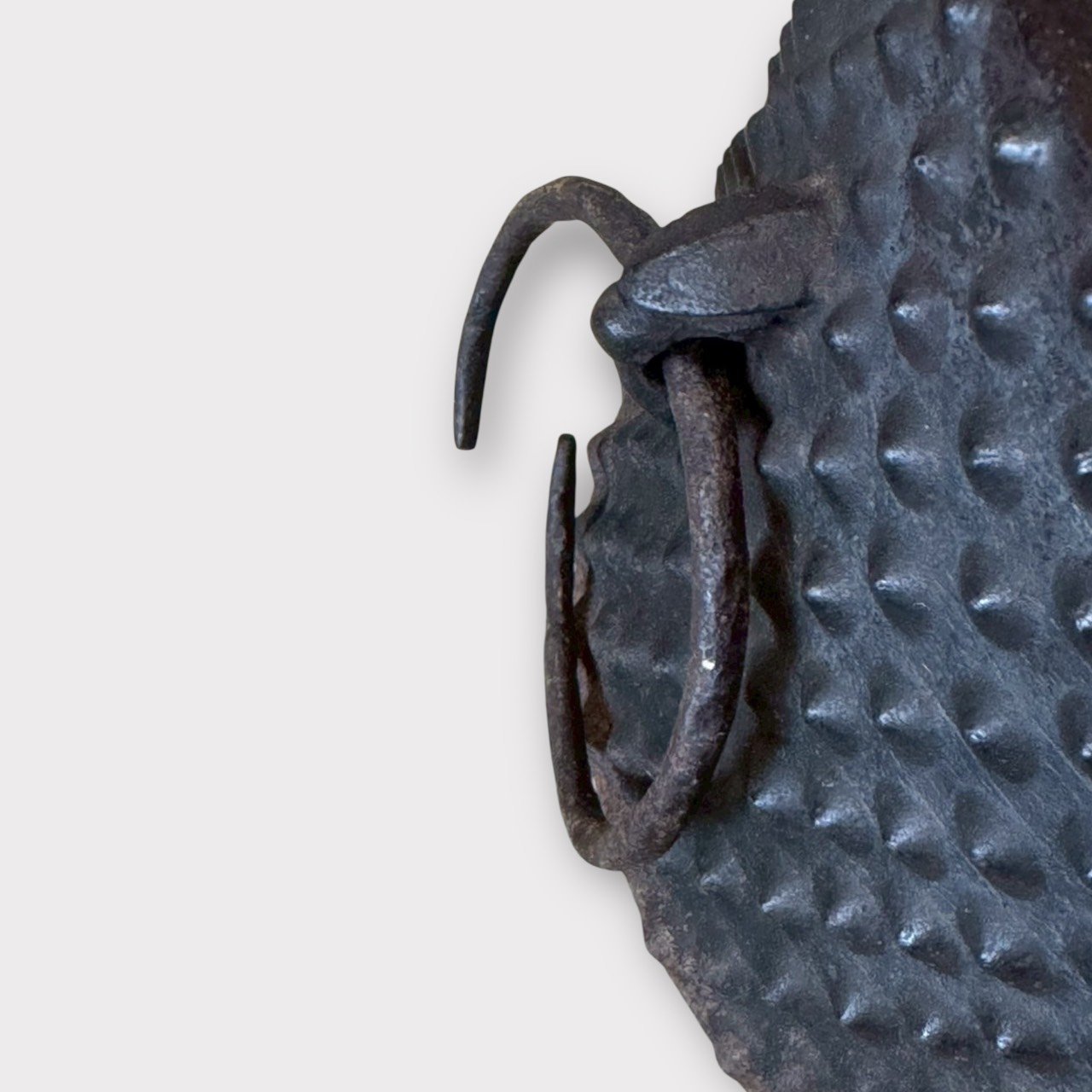
The classic arare hobnail design, both finely made and practical
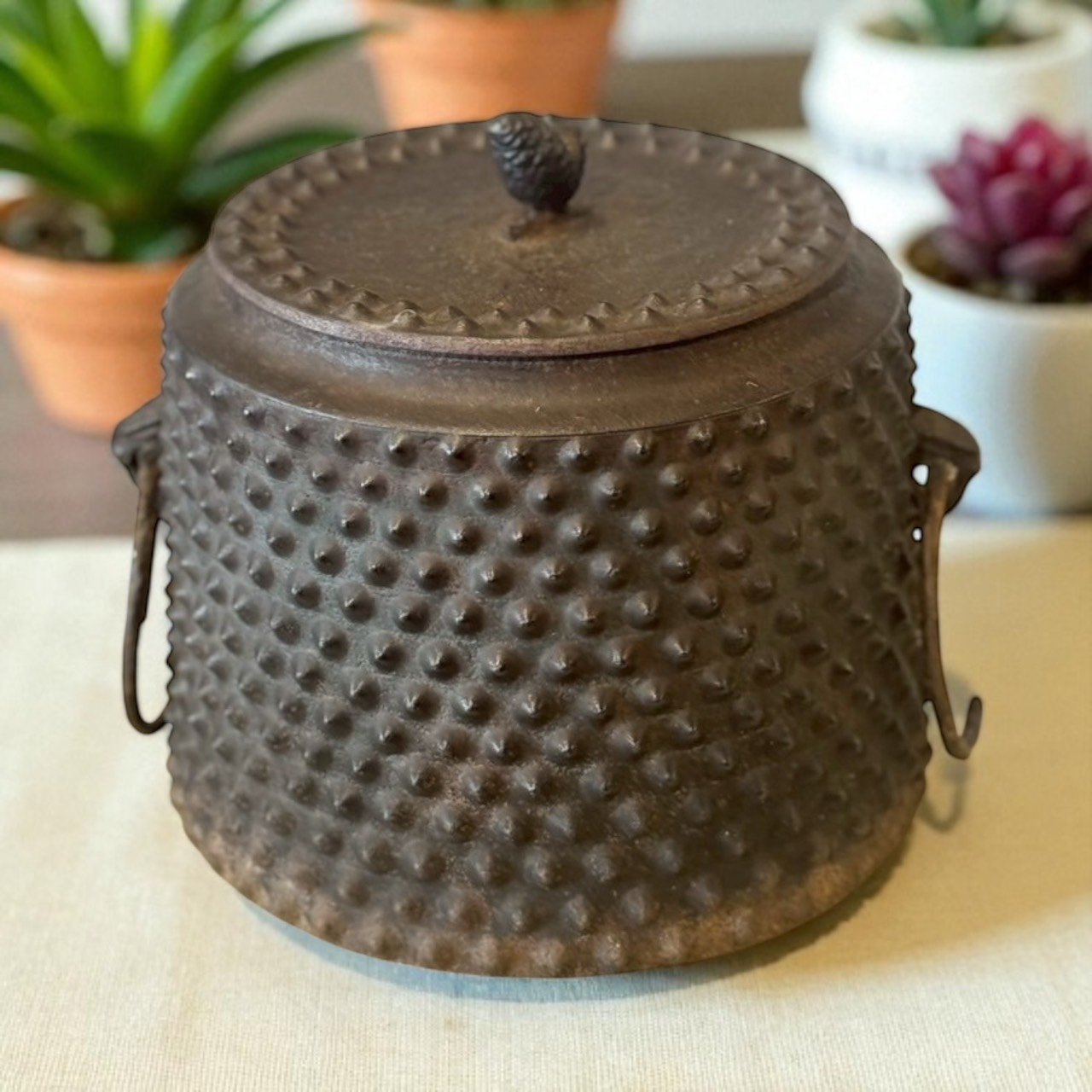
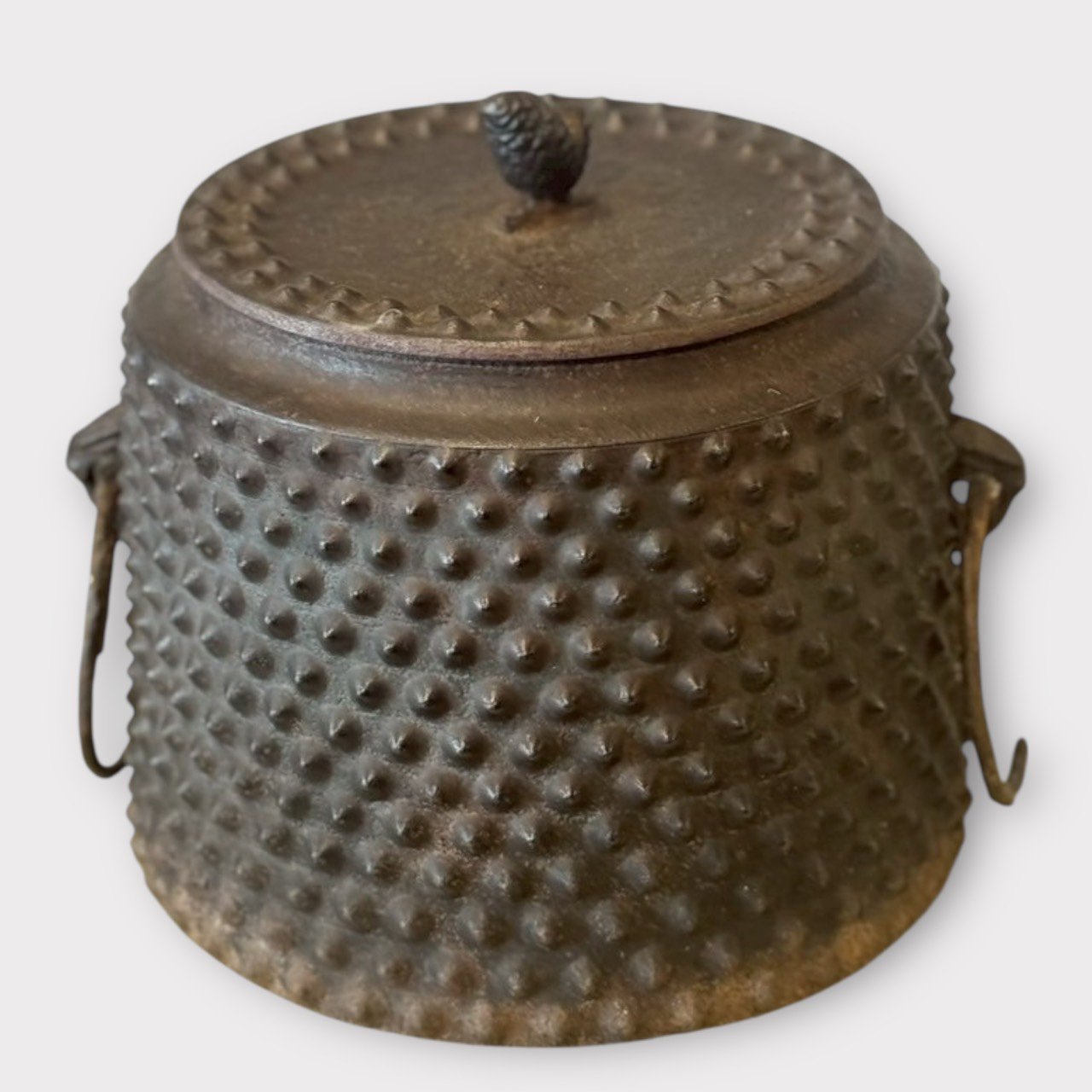
The body is covered with the small raised dots of the arare pattern, the signature style of Nanbu ironware. It is both handsome and functional, helping heat to spread evenly and keeping the temperature steady, and it also shows the craftsman's skill in mould-making.
Substantial in weight, heavy and unadorned, with the presence of a true antique
It feels solid in the hand, the cast iron is thick and it stands stably, so it can be used to boil water or simply kept for display.
A pine-cone lid knob, a symbol of good fortune and long life
The knob is cast as a realistic pine cone with lively detail, conveying an Eastern auspicious image that accords with the spirit of stillness and respect in the tea ceremony.
Kept in its original old state, with no heavy oxidation damage; highly collectable
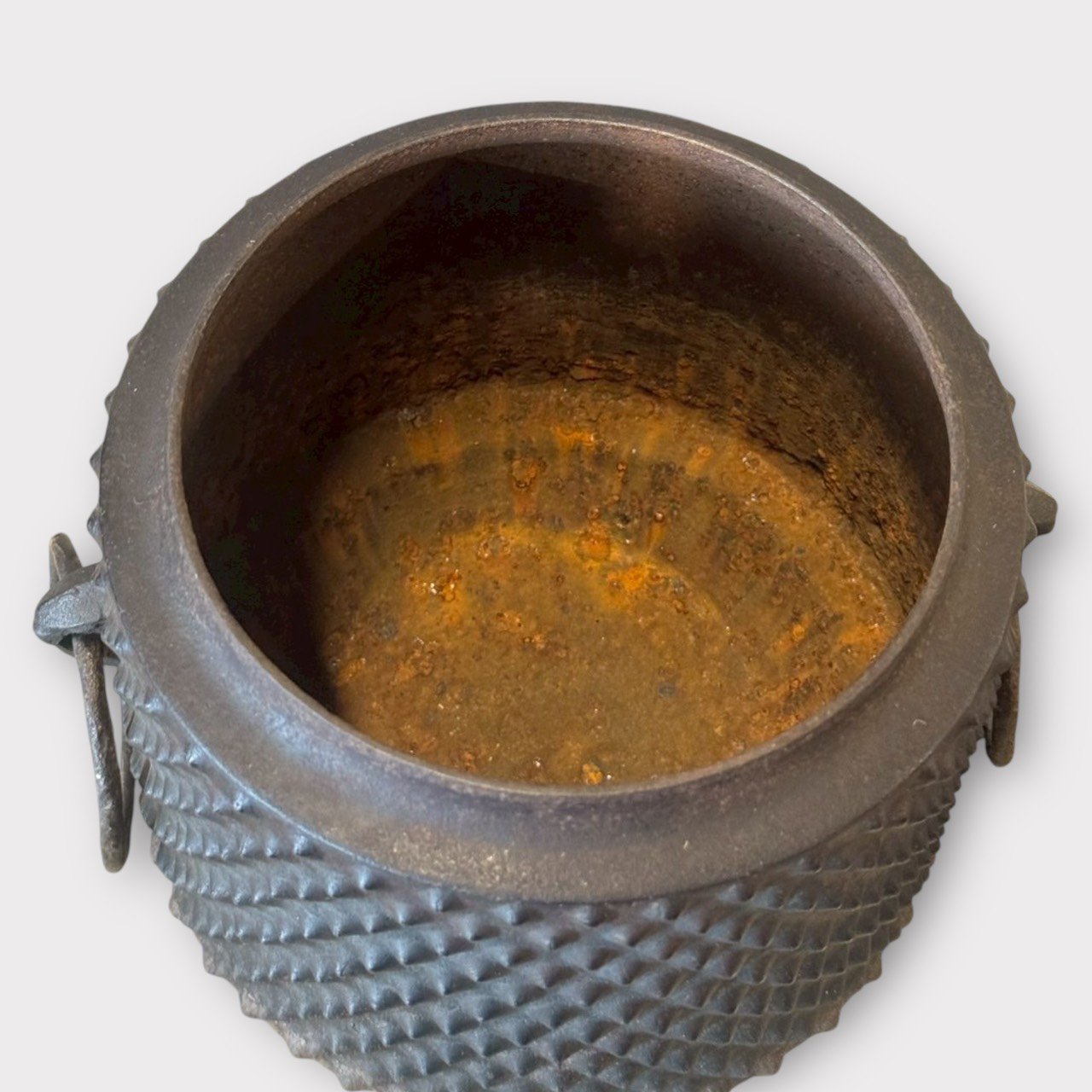
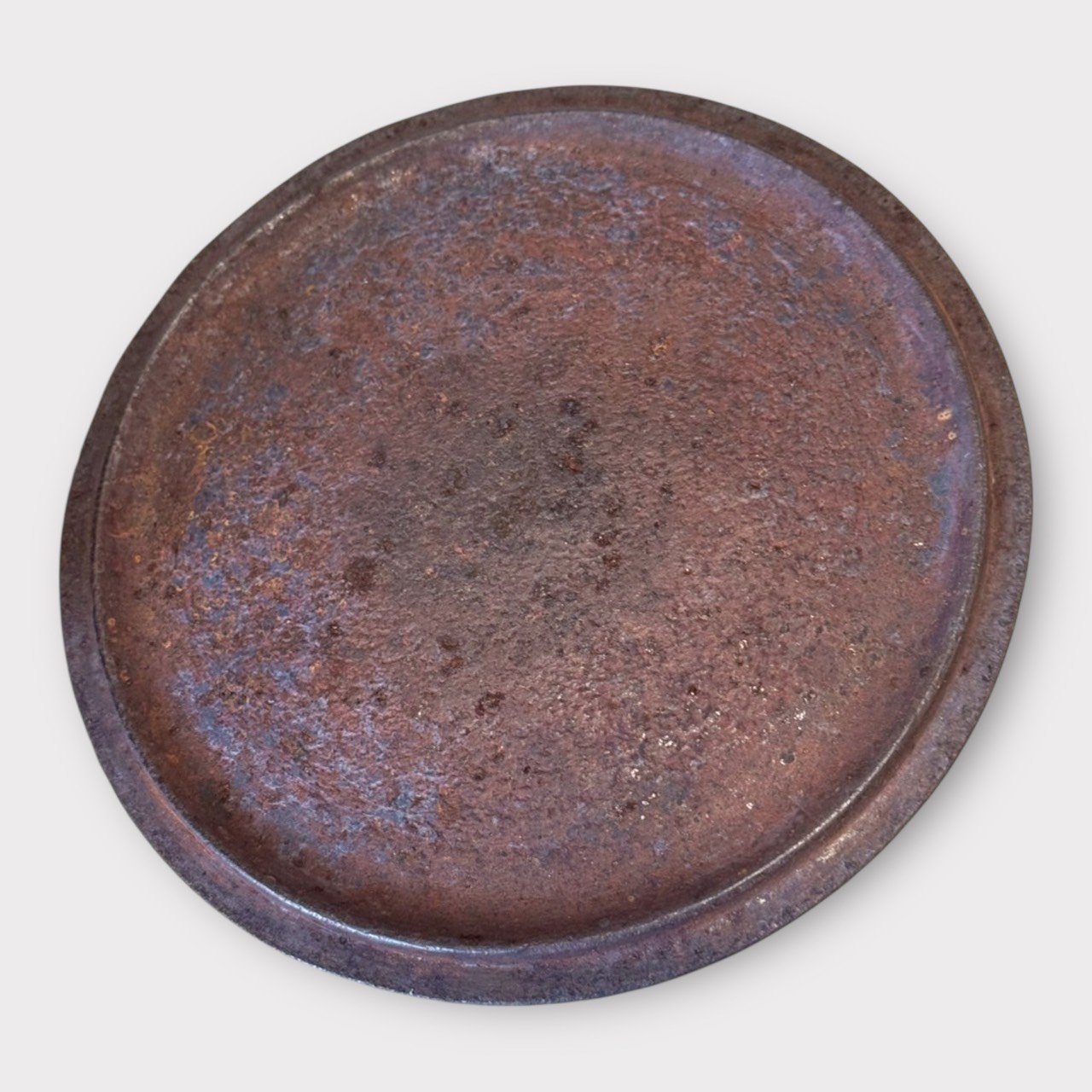
The inner wall shows water marks and rust, but there are no holes or cracks; with proper care it can still be used, and it is favoured by those who like pieces in untouched original condition.
Suitable for the tea ceremony, for boiling water, for interior display and for cultural collecting
Besides serving as the main water-boiling vessel at a Japanese tea gathering, it can also be displayed in incense-ceremony settings, Zen interiors and tea houses, where it gives a deep, quiet atmosphere.
◆ Suggested settings
Use at a tea gathering: boiling water, brewing tea and performing the courtesies
An entry-level piece for antique collectors and lovers of tea ceremony utensils
Display in Japanese-style homes, Zen interiors, tea rooms or arts spaces
A key visual object for tea-teaching spaces or Japanese culture exhibitions