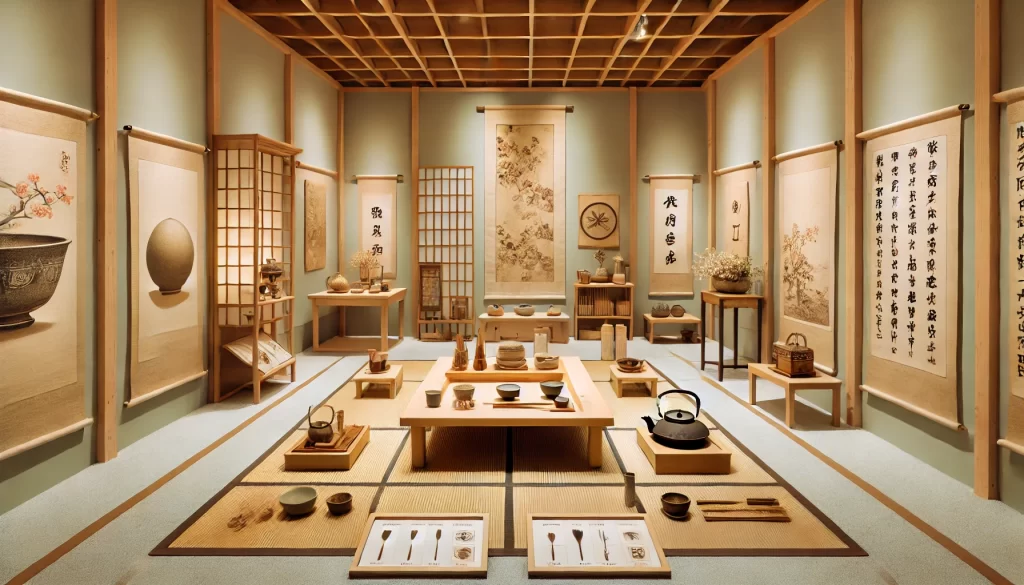
Japanese Tea Ceremony Utensils Explained
(Images above are for illustration only) A Comprehensive Introduction to Tea Ceremony Utensils: An Inherited Art from Aesthetics to Practicality. The Japanese tea ceremony is an art of
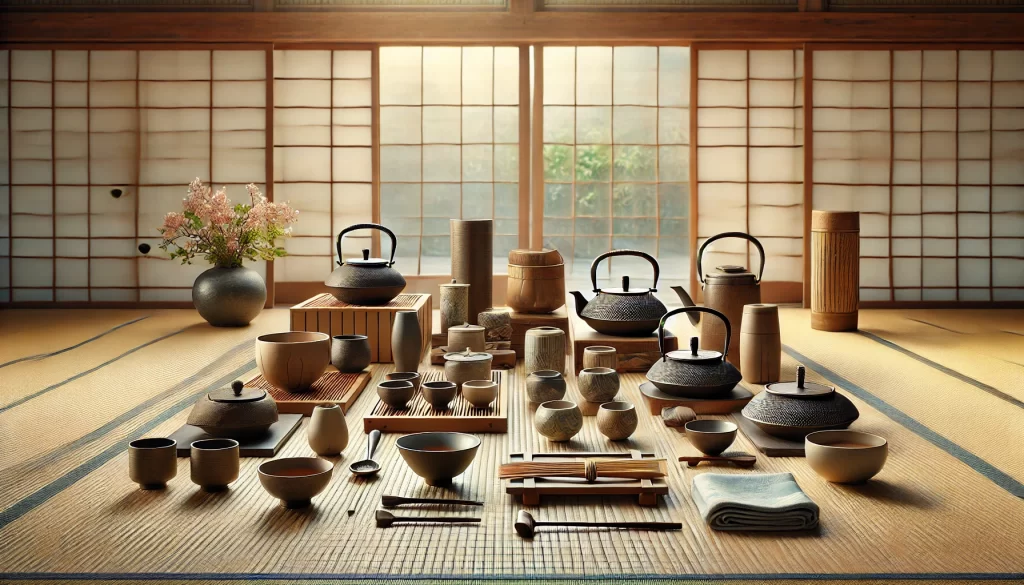
(The images above are for reference only.)
Tea Ceremony Utensils in Full: A Craft Handed Down, from Aesthetics to Everyday Use
The Japanese tea ceremony is a way of living that turns everyday tea drinking into an art, and an important vessel for the spirit of Japanese culture. Every movement and every utensil in the tea ceremony holds deep cultural meaning as well as practical purpose. For a tea lover or a beginner, getting to know the utensils is an essential step. Below, let us look closely at all the utensils commonly used in tea ceremony, and at the role and the aesthetic value each of them has in the process.
The Main Tea Ceremony Utensils
- Chawan (tea bowl)
The chawan is one of the most central utensils in tea ceremony, used to hold the matcha. Its shape, size and material change with the season: in summer, for instance, a bowl with a wider mouth and thinner walls is used to add a sense of coolness, while winter favours a thicker design that holds the heat. Tea bowls have very high artistic value, and many by famous makers have become prized collector's pieces for the fineness of their craft.
- Chasen (tea whisk)
The chasen is the bamboo tool used to whisk matcha, cut from a single piece of bamboo and finely made. How tight or loose its tines are directly affects how well the matcha froths, so choosing a suitable chasen matters a great deal for whisking an ideal bowl of tea.
- Chashaku (tea scoop)
The chashaku is the tool used to scoop up matcha powder, usually made of bamboo or ivory. Its curve is elegant, and using it calls for judging the right amount to take — an expression of the precision and modesty of the tea ceremony.
- Natsume (tea caddy)
The natsume is a small container for keeping matcha powder, usually made as lacquerware. Its design is plain yet refined, and the lacquered surface often carries flowers or natural scenes, a symbol of the four seasons in the tea ceremony.
- Mizusashi (fresh-water jar)
The mizusashi holds clean water and is indispensable in preparing and rinsing during the tea ceremony. Common materials include ceramic, lacquerware and glass, each with its own beauty and its own practical qualities.
DASING Japan Art Warehouse offers handmade tea wares by craftsmen from across Japan, every piece with both cultural value and practical use. Tea bowls fired by well-known makers and selected bamboo chasen, for example, are among the finest on the market. You are welcome to come and view them in the shop.
Frequently Asked Questions (Q&A)
Q1: I am new to tea ceremony. How should I choose my utensils?
We suggest starting with the basics: a chawan, a chasen and a chashaku. These three are the essential tools for beginning tea ceremony. Our team can recommend pieces suited to beginners.
Q2: What difference does the material of the tea bowl make to the tea ceremony?
The material of a tea bowl affects the temperature and the taste of the tea. Earthenware, for instance, holds heat well and suits winter use, while lacquerware is better suited to summer.
Q3: How long does a chasen last?
How long a chasen lasts depends on how often it is used and how it is cared for. We suggest cleaning it after each use and letting it dry naturally in the air, which extends its working life.
Q4: Can tea wares be made to order for my own needs?
We are not able to offer a personalised made-to-order service. We can, however, suggest tea wares that suit what you are looking for.