
The History and Craftsmanship Behind Samurai Equipment
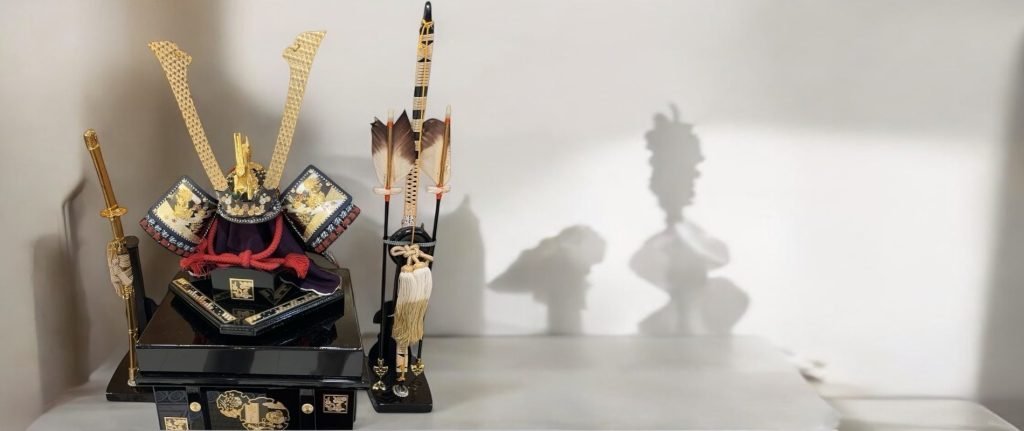
(Images above are for illustration only) Samurai armor: where history and craftsmanship come together. Japanese samurai armor is a work of art that amazes at first sight. Its flowing
Written by experienced researchers of vintage Japanese objects in Kyoto and Tokyo, tea practitioners and master restorers, these articles trace centuries of Japanese craftsmanship and share the cultural background, aesthetics and connoisseurship of ceramics, tea ceremony utensils, maki-e lacquer and metalwork.
(Images above are for illustration only) Samurai armor: where history and craftsmanship come together. Japanese samurai armor is a work of art that amazes at first sight. Its flowing
The kabuto: a symbol of samurai culture. The Japanese kabuto (helmet) is an iconic object of samurai culture, with deep historical and cultural
Appreciating a piece is not only a matter of refined taste; it is also key to telling genuine from fake. Click a glossary card to read the indicators every collector should know.
TOMOBAKO & KIWAMEBAKO
The tomobako is the original paulownia wood box inscribed and signed with a kaō by the maker; the kiwamebako is a box inscribed later by a noted expert or school head to attest to the piece. Both are key records for tracing a piece's origin, and they differ markedly in value.
KANNYU & AMAMORI
Crackle in the glaze (kannyu) forms from differing rates of expansion under heat and cold; soft stains (amamori) form as tea seeps into the body over decades. Tea practitioners prize both as natural beauty.
SURIKIN & PATINA
On lacquerware and kinrande porcelain, centuries of handling leave rims with a soft matte sheen that also helps with dating. Fake wear made with acid or sandpaper leaves harsh edges without a natural, graduated luster.
YOHEN & HIDASUKI
On unglazed wood-fired wares such as Bizen and Tamba, straw wrapping or melting ash creates red scorch lines (hidasuki) and sesame-like ash deposits (goma), giving a natural wabi-sabi texture.
DASING Japan Art Warehouse continues to gather background on wares from the Edo to Shōwa periods, research on tea ceremony schools, and the aesthetics of traditional crafts. Browse the articles in our Knowledge section and discover the craft and culture behind Japanese antiques.
Whenever we publish a new article on Japanese antique art or an in-depth feature on a type of ware, we will share it with you by email.