Samurai Armor: The Kabuto Helmet
The kabuto: a symbol of samurai culture. The Japanese kabuto (helmet) is an iconic object of samurai culture, with deep historical and cultural
The Japanese Kabuto: A Symbol of Samurai Culture
The Japanese kabuto is a symbolic object in samurai culture, carrying deep historical and cultural meaning. Below, let us look at the history and significance of the kabuto.
Historical background of the kabuto
Origins of the kabuto:
The meaning of the kabuto
- A symbol of courage and honour:
- Decoration and family crests:
- Modern uses:
The link with Children's Day
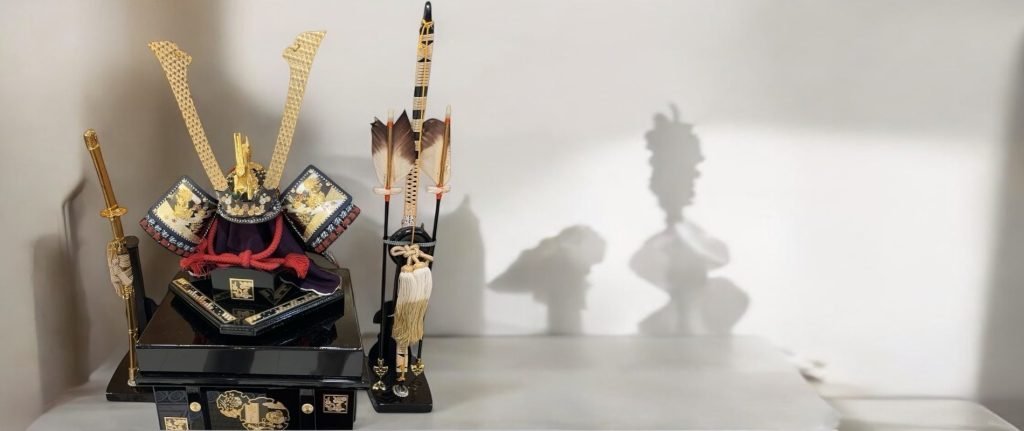
Display kabuto of this kind are usually closely linked with Japan's Children's Day (5/5). On Children's Day, Japanese families set out a miniature suit of samurai armour, kabuto included, as a wish for their children to grow up healthy and to have the courage and wisdom of a samurai. This may be a modern piece made specifically for Children's Day display, but it still follows Edo-period armour style closely.
Decorative details and what they mean
- Maedate (the crest at the front of the helmet): the maedate takes the form of a symmetrical V shape, the "crane wing" form, a decorative style often seen on samurai helmets and standing for protection and blessing.
- Gilt dragon ornament: this may be connected with the beliefs or the guardian deity of a samurai family. In Japanese culture the dragon stands for strength, prosperity and protection.
- Bow and arrows: the bow and arrow are important symbols in samurai culture. In the Sengoku period in particular, the bow was the earliest long-range weapon, standing for the samurai's resolve and fighting spirit.
Frequently Asked Questions
Q1: How can I tell whether a kabuto is worth collecting?
Collectible value depends on the period in which the kabuto was made, the level of craftsmanship and the state of preservation, so the price of each piece is different.
Q2: Where can I buy a kabuto?
DASING Japan Art Warehouse receives shipments direct from Japan from time to time. You are welcome to come and view them.
Q3: What should I watch for in caring for a kabuto?
Keep it in a dry place out of direct sunlight, and wipe the surface gently from time to time so that dust does not build up.
Q4: If I have questions about the cultural background of a kabuto, are there resources I can consult?
Some kabuto carry information about the year in which they were made, though not every piece does. Where such a date exists and the piece is well preserved, it does make a difference to the price.