The History and Craftsmanship Behind Samurai Equipment
(Images above are for illustration only) Samurai armor: where history and craftsmanship come together. Japanese samurai armor is a work of art that amazes at first sight. Its flowing

(The images above are for reference only.)
Samurai Armour: History and Craftsmanship at Their Finest
Japanese samurai armour is a form of art that draws admiration at first sight. The flowing lines, the fine carving and the vivid colours all convey both its beauty and its strength. But have you ever wondered what history and craftsmanship lie behind this armour? This article takes you into the world of samurai armour and shows how it went from battlefield equipment to a symbol of Japanese culture.
Samurai armour in history: function and beauty combined
The history of samurai armour goes back to Japan's Heian period (794-1185 CE), when armour was made to meet the needs of war. By the Sengoku period (1467-1615), armour was no longer only a means of protecting the body; it had become a mark of the samurai's standing.
The samurai held to the spirit of bushidō, seen not only in their devotion to loyalty and honour but also in the design of their armour. Every ornament on a suit of armour had its own meaning: a family crest, an auspicious motif, even a symbol connected with religious belief. They were there to show the samurai's rank and authority, and they were the outward expression of samurai culture.
Making armour: aesthetics and function at their height
Making a suit of samurai armour was no simple matter; a highly skilled craftsman might spend months or even years on it. The armour had to be both light and strong, and to have a certain artistic value as well. Some of the features of the craft are these:
- Selected materials: to keep the armour durable and flexible, fine steel and leather were chosen and then laced together with strong silk cord.
- Structural design: samurai armour is built up in overlapping layers, protecting the vital areas while allowing free movement. The common plate armour (dō-gusoku) is made of several metal plates and is very hard-wearing.
- Decorative art: lacquer plays an important part in armour, both protecting the metal from rust and creating a luxurious look. Gold leaf, silver leaf and natural lacquer make armour all the more striking.
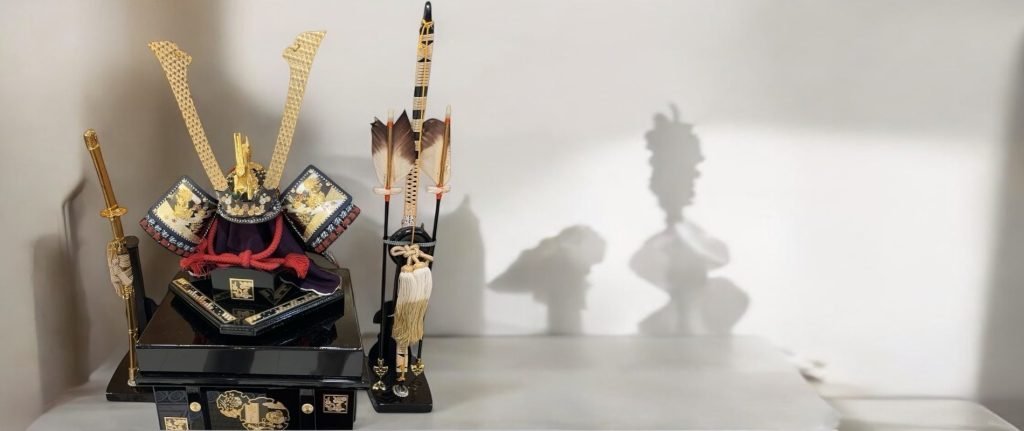
- The distinctive design of the helmet: the samurai helmet (kabuto) often carries elaborate ornament, such as antlers standing for authority, sacred sun and moon motifs, or even dragon carving. This both intimidated the enemy and brought out the samurai's faith and strength of spirit.
- Attention to detail: the silk cords that lace armour together are usually in bright colours. They are hard-wearing and create a strong visual contrast that makes the whole piece more beautiful.
Interest in samurai armour today
As attention to Japanese culture grows, the artistic value and historical meaning of samurai armour have become a focus for many people. So why are people today so fond of samurai armour?
- Passing on history and culture
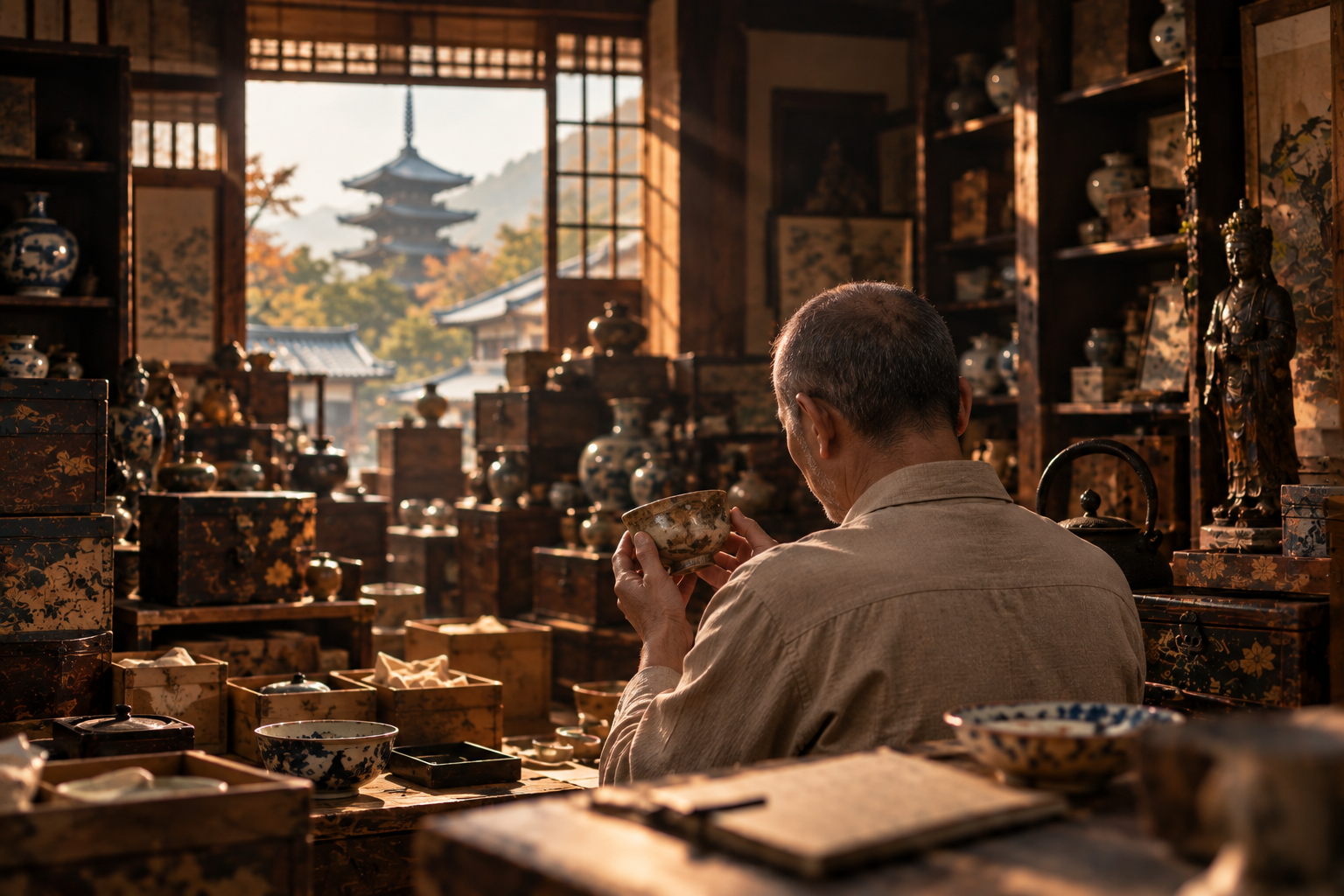
- Art collecting and appreciation
- Cultural gifts
- Reproductions for enthusiasts
Frequently Asked Questions
Q1: Why is samurai armour so expensive?
Samurai armour combines precious materials, complex craftsmanship and historical significance, which makes it costly, and genuine period pieces are especially rare.
Q2: How can I tell a genuine piece from a reproduction?
A genuine piece usually shows clear signs of age, family crests and a certificate of authentication, while most reproductions are made with modern techniques and feel slightly different.
Q3: Can samurai armour be used as decoration?
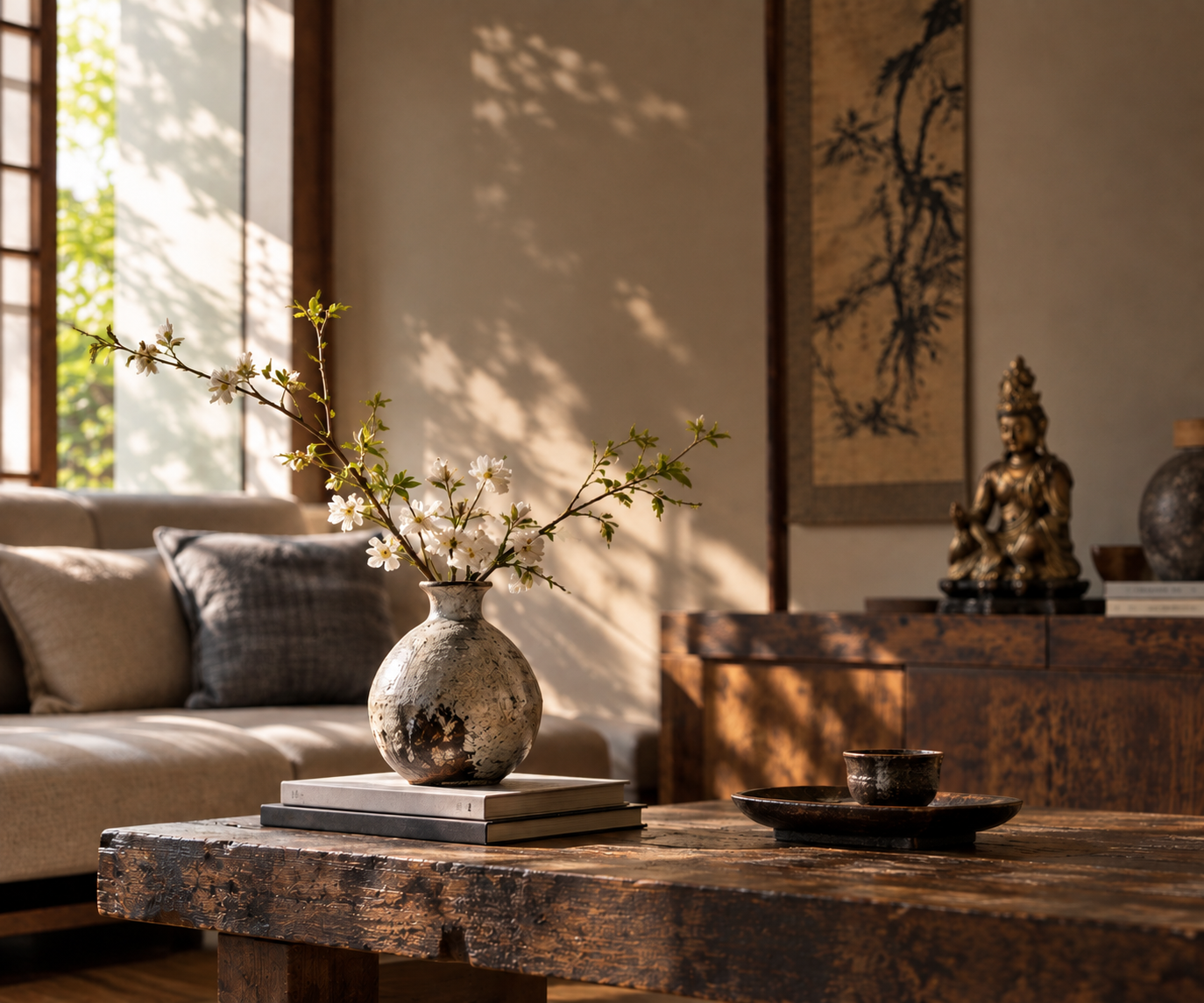
Certainly. Many people display armour at home or in a showroom, where it sets a cultural tone and is a pleasure to look at.
Q4: What should I watch for when buying armour?
Confirming the authenticity and quality of the source is essential, and you should also consider storage conditions and the care the piece will need in future.
Q5: How should samurai armour be stored?
Keep armour in a dry place out of direct sunlight, use a dust cover or a display case, and clean and maintain it regularly.