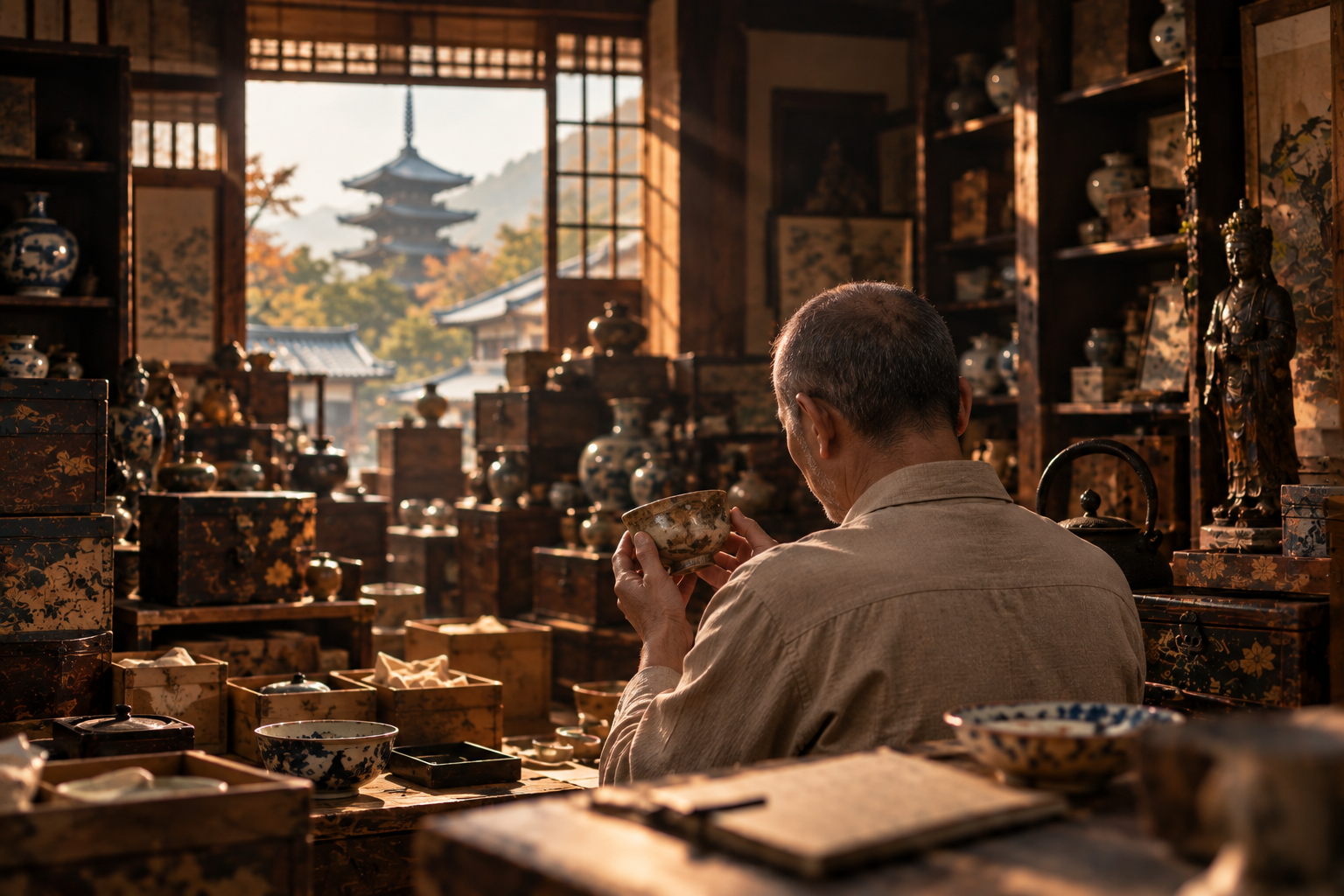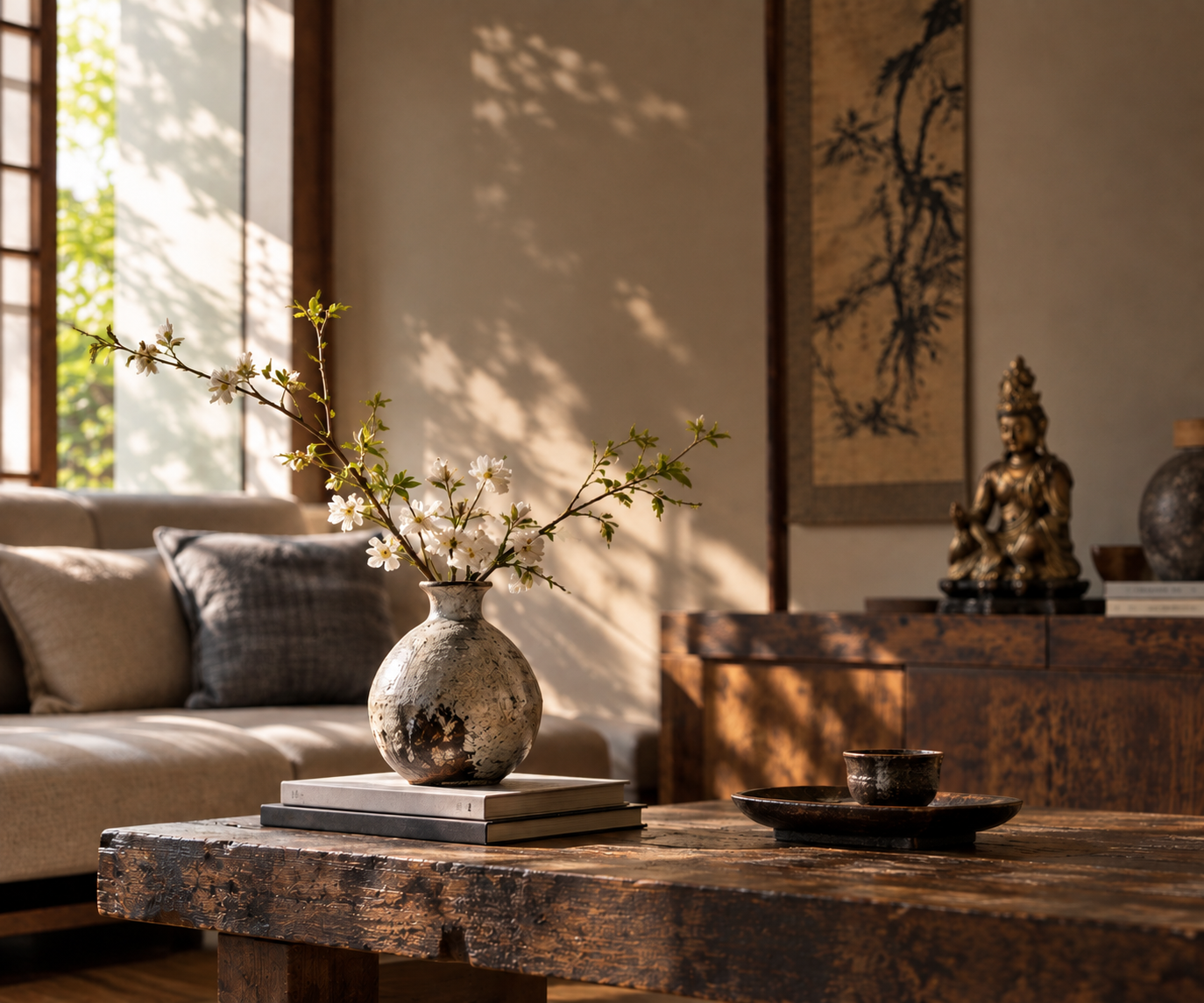
How to Distinguish Japanese Buddhist Artifacts
How to Distinguish Japanese Buddhist Artifacts. Japanese Buddhist artifacts come in a rich variety with deep historical backgrounds; distinguishing them requires looking at their material, period, artistic style, use and
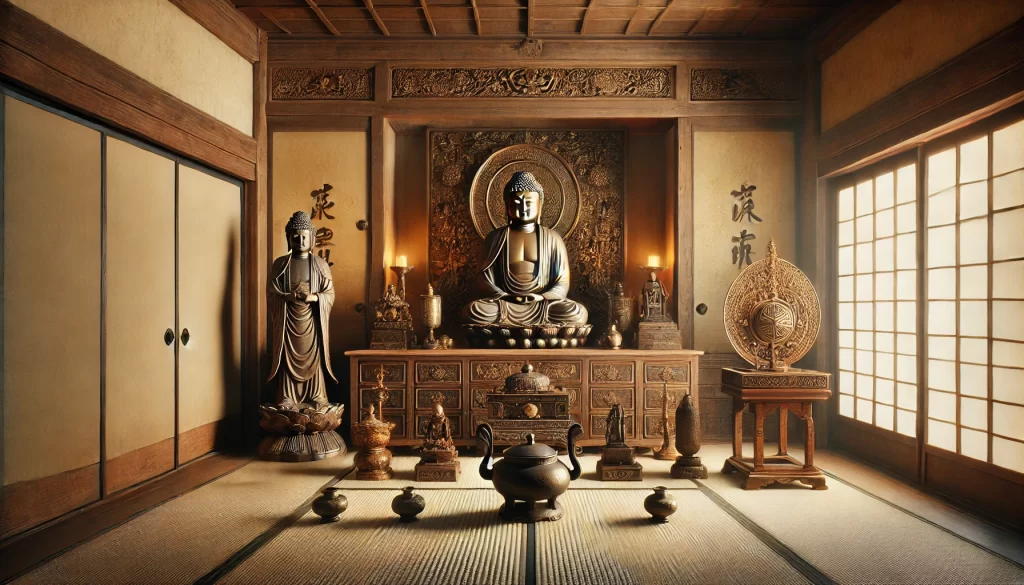
How to Distinguish Japanese Buddhist Artifacts
Japanese Buddhist objects cover a wide range of types and histories. Telling them apart calls for identification and classification on several grounds: material, period, artistic style and use. Here are several common ways of dividing them up, to help you distinguish Japanese Buddhist objects more closely:
By material
Wooden Buddhist images: in Japan many early Buddhist images were carved from wood, particularly in the Nara and Heian periods. Such images generally use a hardwood such as hinoki cypress and are finished with gold leaf or lacquer.
Bronze Buddhist images: from the Asuka period onward, bronze images became increasingly common in Japan, above all large-scale figures such as the great Vairocana Buddha of Tōdai-ji in Nara.
Lacquer ritual objects: incense burners, candlesticks and other ritual objects in Japanese Buddhism were often made using lacquer techniques, with finely worked lacquer surfaces that may be inlaid with gold, silver or other precious metals.
Metal ritual objects: ritual implements in copper or other metals, such as bells and vajra, most of them used in Buddhist ceremonies.
Ceramics and stone carving: some Buddhist objects, such as carved stone steles and ceramic Buddhist figures, are less common than wooden or metal images but are also of considerable historical value.
By period
Asuka period (538-710):
The artistic style of the early period of Buddhism in Japan was influenced by the Northern Wei in China and by the Korean peninsula. Buddhist images of this period are usually simple and solemn in form, with rather stiff facial expressions.
Nara period (710-794):
Buddhist art of this period was more mature. Wooden sculpture stands out in particular, and lacquer work and metal began to be widely used.
Heian period (794-1185):
Buddhist art developed further. Images such as Kannon and the Medicine Buddha became more common, the figures more lifelike, and their expressions more compassionate and gentle.
Kamakura period (1185-1333):
The rise of Zen brought a pared-back style. Buddhist images became richer in detail, especially the figures combining warrior deities with Buddhism that were favoured by the samurai class.
Edo period (1603-1868):
Japanese Buddhist art reached its height in this period, with not only images and ritual objects but a great number of hanging scroll paintings, woodblock prints and other Buddhist images.
By use
Buddhist images: these include Shakyamuni, the Medicine Buddha, Amida and various bodhisattva figures. Their form and hand gestures (mudras) allow further distinction between schools and uses.
Ritual implements: incense burners, candlesticks, ritual bells and similar implements, used in Buddhist ceremonies and usually both practical and richly decorated.
Hanging scrolls and paintings: Buddhist hanging scrolls often depict the Buddha, bodhisattvas or portraits of eminent monks; such works were used mainly in religious ceremonies or as temple decoration.
Sutras and scripture books: old Buddhist scriptures and their bindings are also important Buddhist artifacts, often made by hand and wrapped in fine materials.
By Buddhist School
Zen art: these works are usually spare and full of Zen feeling. Zen painting in particular often depicts natural subjects such as landscapes, bamboo and plum, reflecting the philosophical thought of the Zen school.
Pure Land and Jōdo Shinshū: these objects centre on Amida Buddha and the related images and scriptures, emphasising the idea of salvation in the life to come.
Tendai and Shingon: objects from these schools usually have a stronger esoteric character. Their images and implements show a pronounced mystical style, and many pieces involve mandala and Diamond Realm imagery.
By Region
Kyōto and Nara region:
These regions are the birthplace of Japanese Buddhist art. The Buddhist images and implements preserved in their old temples and shrines are of especially high historical and artistic value.
Kamakura and Chinjufu region:
The Buddhist art of the Kamakura period, above all its Zen works, flourished in the Kamakura area, and the sculpture and painting of these regions are often regarded as one of the high points of Japanese Buddhist art.
Regional temples:
In local temples throughout Japan one also finds Buddhist artworks blended with local folk custom, pieces that sometimes reflect the character and life of their own region.
By Artistic Style
Realistic style: Kamakura-period Buddhist images, for example, often have finely modelled musculature and lively expressions, aiming at a realistic effect.
Decorative style: gold-leaf Buddhist images, for example, are usually covered in gold leaf, giving a sumptuous appearance that conveys dignity and nobility.
Minimal style: Zen paintings and sculpture are usually very spare, with a single restrained colour, emphasising silence and inner calm.
By Ritual Function
Images for worship: these are usually placed on the altar of a temple or a home, for daily or special religious devotion.
Amulets and small images: these small objects were usually portable charms or tokens of faith, and often appear in the everyday life of ordinary believers.
Offerings and ritual supplies: items used for temple offerings or in ceremonies, such as candlesticks, incense burners and ritual bells.
DASING Japan Art Warehouse, your specialist in collecting Buddhist art
Japanese Buddhist artifacts are an important symbol of Japan's history and religious culture. Viewed through material, period and use, the rich culture behind them becomes clear. Every piece carries a stretch of history, and a deep meaning of faith as well.
At DASING Japan Art Warehouse we offer many kinds of Japanese Buddhist artifacts, together with professional advice on appraisal and care for collectors. Our pieces come from all over Japan, from temple holdings and private collections alike, and are of high artistic and historical value. Explore our series of Japanese Buddhist artifacts now, and feel both the sacredness and the beauty of these works.