Collecting Japanese Buddhist Art
Collecting Japanese Buddhist Art: History and Collecting Value. The Historical Background of Japanese Buddhist Art. Japanese Buddhist art is an important part of Japanese culture, deeply influenced by India, China

Collecting Japanese Buddhist Art: History and Collecting Value
The Historical Background of Japanese Buddhist Art
Japanese Buddhist art is an important part of Japanese culture. Deeply influenced by the Buddhist art of India, China and elsewhere, it developed over several centuries into a form with its own distinct style. Whether Buddhist images, ritual implements, hanging scrolls, or the carving and painting within Buddhist architecture, these works represent not only Japan's religious faith but also a precious heritage of Japanese history, culture and craft.
The Historical Background of Japanese Buddhist Art
Buddhism reached Japan by way of China and Korea in the 6th century CE, and as religious life in Japan developed it quickly became one of the most influential religions in Japanese society. In the Nara and Heian periods many famous temples were built one after another, among them Tōdai-ji and Kiyomizu-dera, and the carving and painting in these Buddhist buildings became important examples of Japanese Buddhist art. In the same period the making of Buddhist images began to develop techniques and styles of its own, from bronze and wood carving to gold lacquer, laying the foundation for the Buddhist art that followed.
In the Kamakura period, the samurai class's esteem for Zen carried Buddhist art further still. The spare aesthetic of Zen began to shape how Buddhist art was made, and a strong Zen feeling runs through everything from the Zen paintings in temples to the implements used by Zen monks.
The Collecting Value of Japanese Buddhist Art
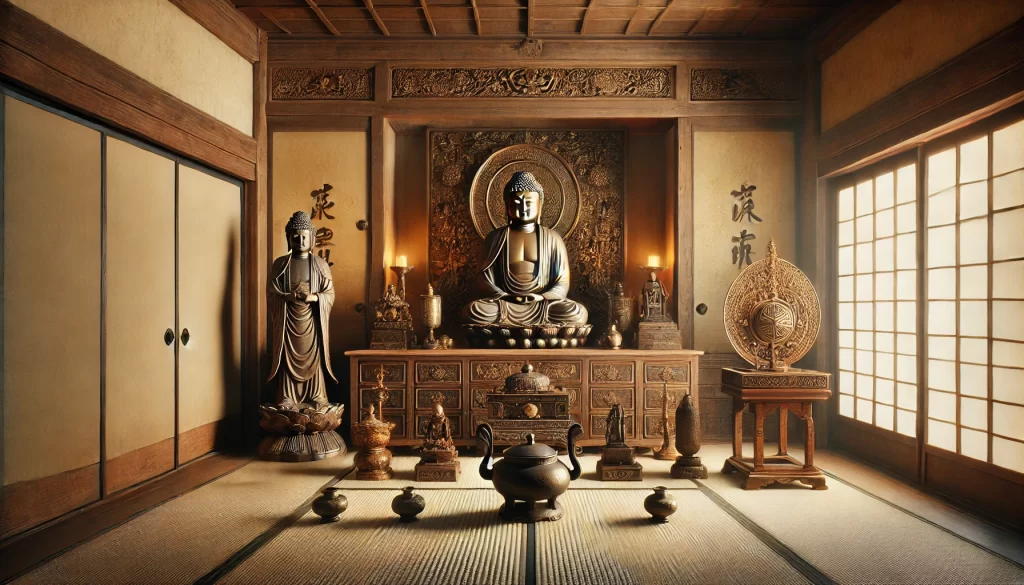
Japanese Buddhist art carries religious and cultural meaning, and it also has great collecting value. Buddhist images are among the most sought-after pieces: from the early Great Buddha of Nara and the Yakushi Buddha to the later Kannon figures, each image embodies the artistic style and craft skill of its own time. Ritual implements such as incense burners, candlesticks and bells are another important category in collecting Buddhist art; these were often made with fine carving and polishing work, and reach a high artistic level.
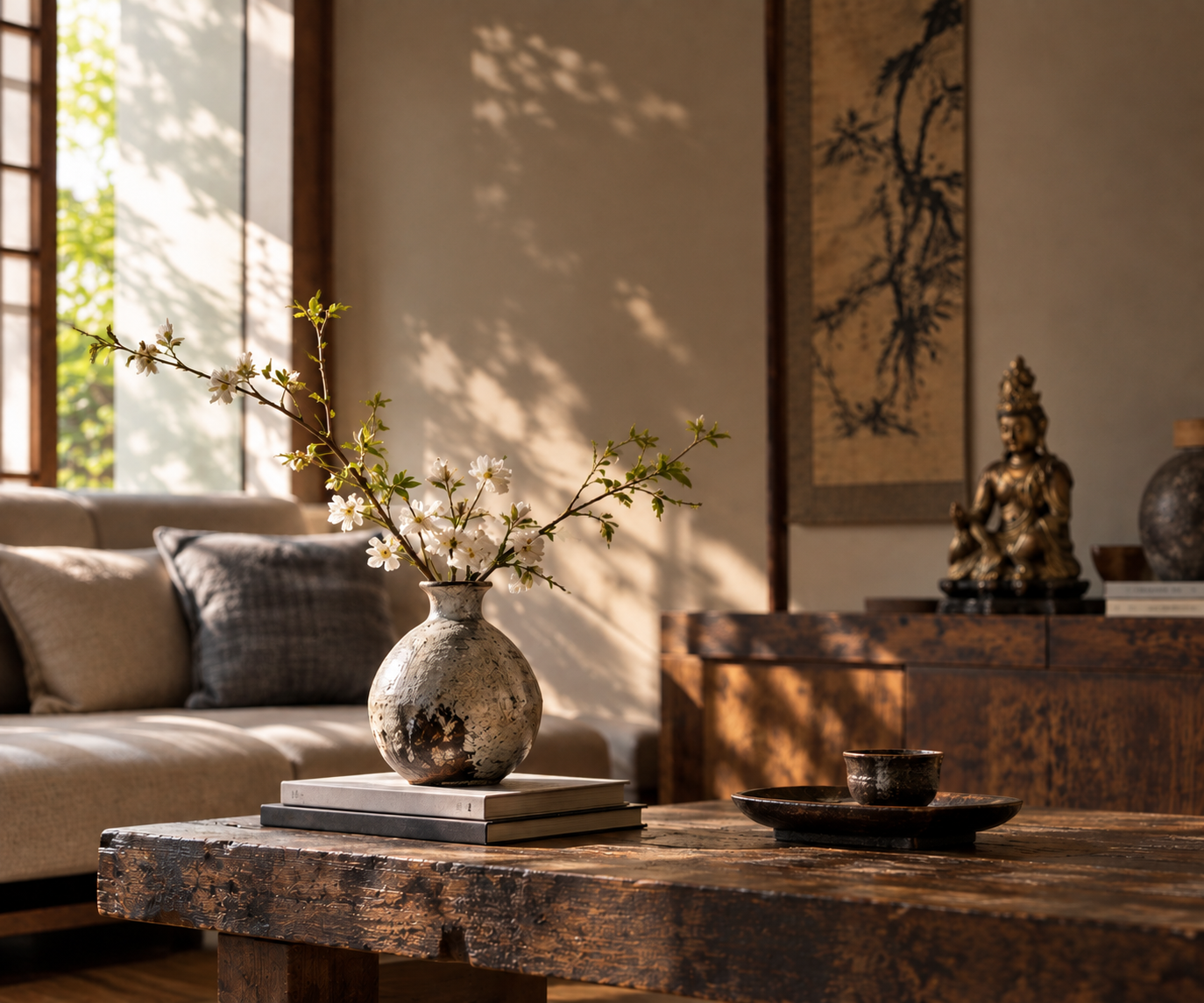
Hanging scrolls are another well-loved category in collecting Japanese Buddhist art. Such scrolls usually carry Buddhist texts, Zen landscape painting or portraits of eminent monks, and their artistic value and historical background make them treasures in a collector's eyes. Many fine Buddhist artworks have repeatedly reached high prices at international auction, especially works by celebrated hands or pieces held by famous temples.
How to Collect and Care for Japanese Buddhist Art
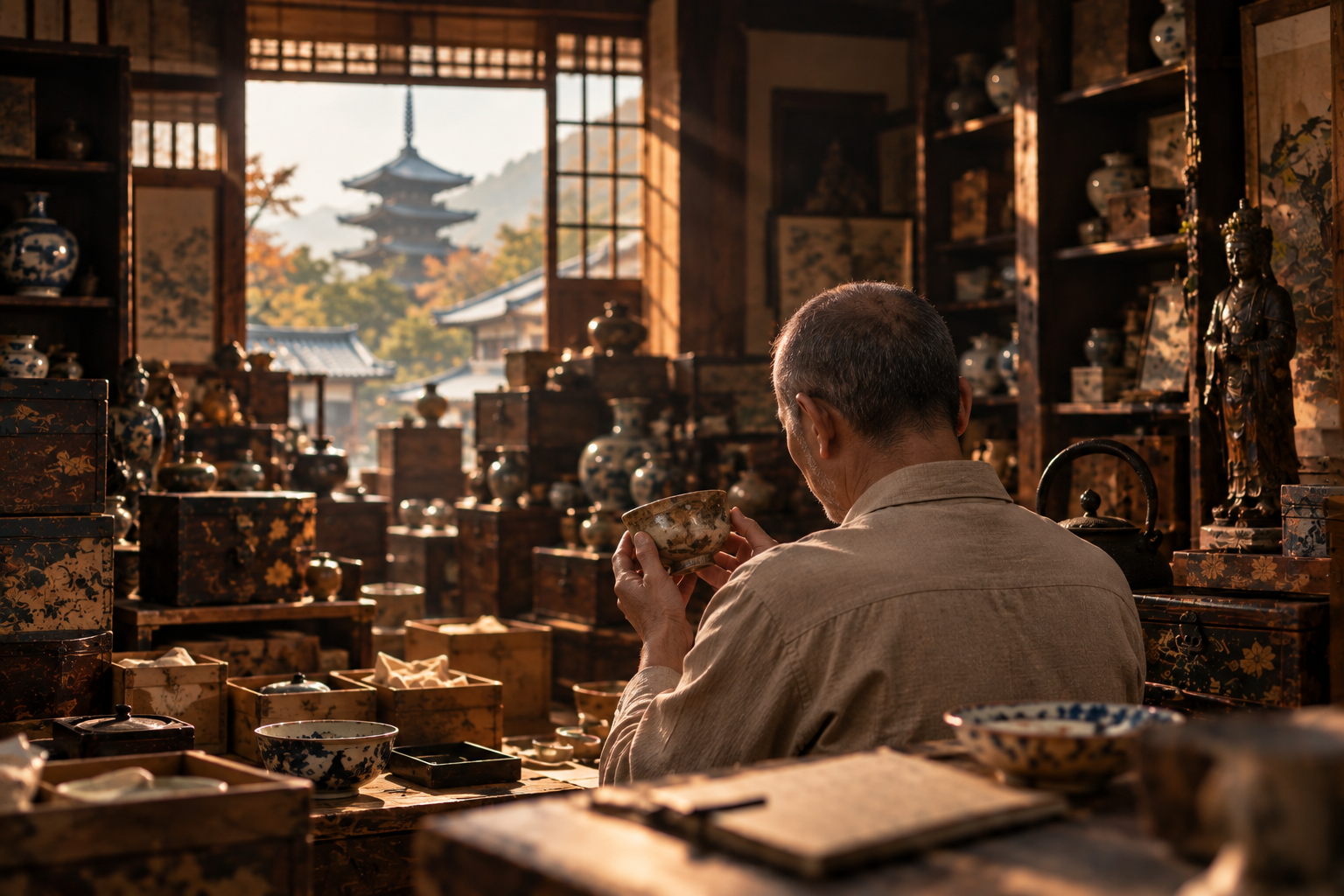
When collecting Japanese Buddhist art, pay particular attention to authenticity and provenance. Because these works are old, imitations and reproductions do appear on the market, so it is best to seek the advice of a professional appraiser before buying. Storage matters just as much, especially for wooden Buddhist images and paper scrolls: these materials are easily damaged by humidity and temperature and should be kept in a dry, stable environment.
When caring for Buddhist art, avoid direct sunlight and wipe pieces gently with a soft brush or cloth. Metal implements can be cleaned of surface tarnish with a polish made for the purpose, applied lightly; avoid over-treating them, which would damage their original character.
DASING Japan Art Warehouse — Your Specialist in Collecting Buddhist Art
For collectors, Japanese Buddhist art is not only a symbol of religious faith but also a treasure of culture and history. DASING Japan Art Warehouse is devoted to offering Buddhist art of the finest quality. We choose every piece with care, so whether your interest lies in carved Buddhist images, painted scrolls or ritual implements, you will find the piece you are looking for here. Explore DASING Japan Art Warehouse now and add to the appeal of your collection.